The Meaning of the Mourning Process: Memorial Ceremonies as Bridges Between Life and Eternity
Mourning Process and Rituals - Bridges Between Life and Eternity
In a time of farewell and inner silence, where the loss of a loved one touches the soul, the mourning process unfolds as a sacred path of transformation. As an independent funeral celebrant who combines the wisdom of Zen with the depth of Christian traditions, I, Master Reding, accompany you with an open heart through this phase. The mourning process is more than mere pain – it is a spiritual journey that teaches us to symbolically embrace life and death, to honor the connection beyond death, and to find solace in rituals. Whether at a funeral or an alternative burial in Switzerland, these ceremonies become a mirror of the deceased's personality, open to all faiths.
The Mourning Process: A Symbolic Path of Healing and Mindfulness
The mourning process does not begin with the funeral, but weaves through our entire existence, like a river flowing from the source of life into the vastness of eternity. In Christian and spiritual depth, it reminds us that death is not an end, but a gateway to a higher connection. This process helps to consciously experience grief and farewell, creating space for gratitude and inner peace.
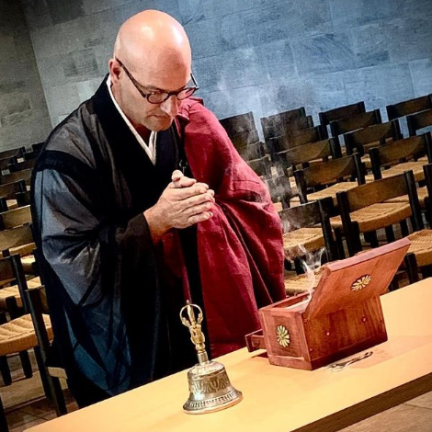
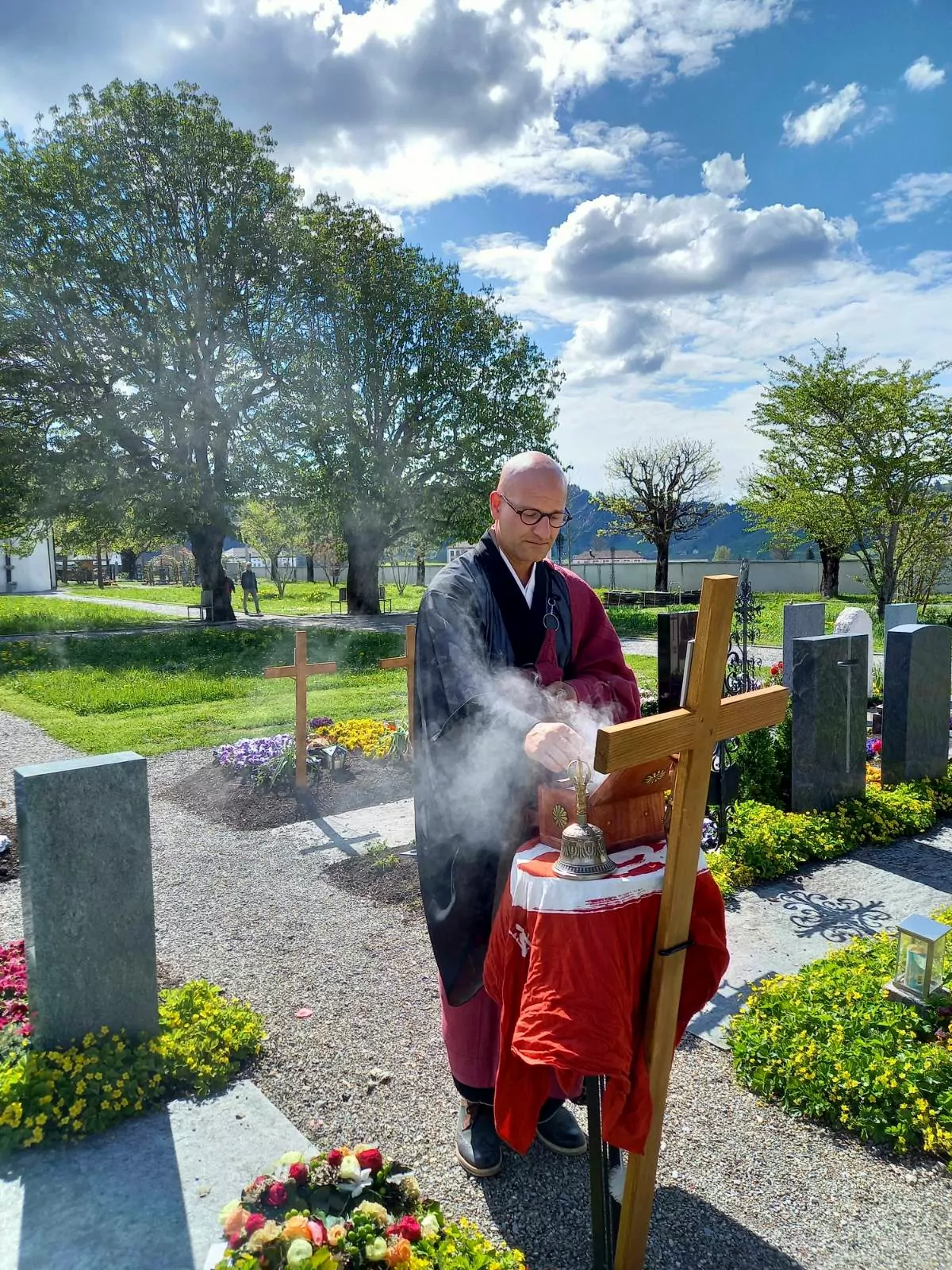
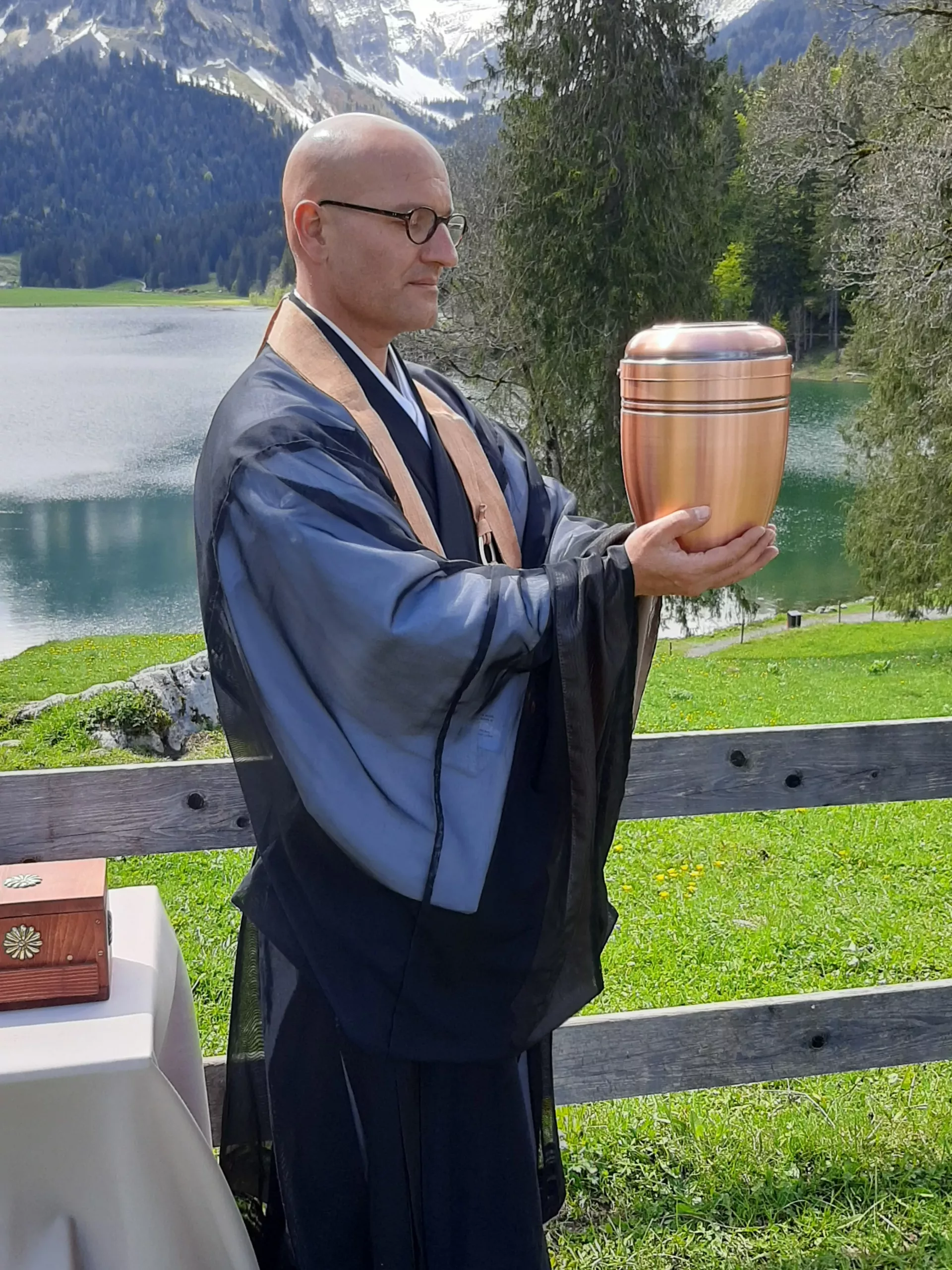
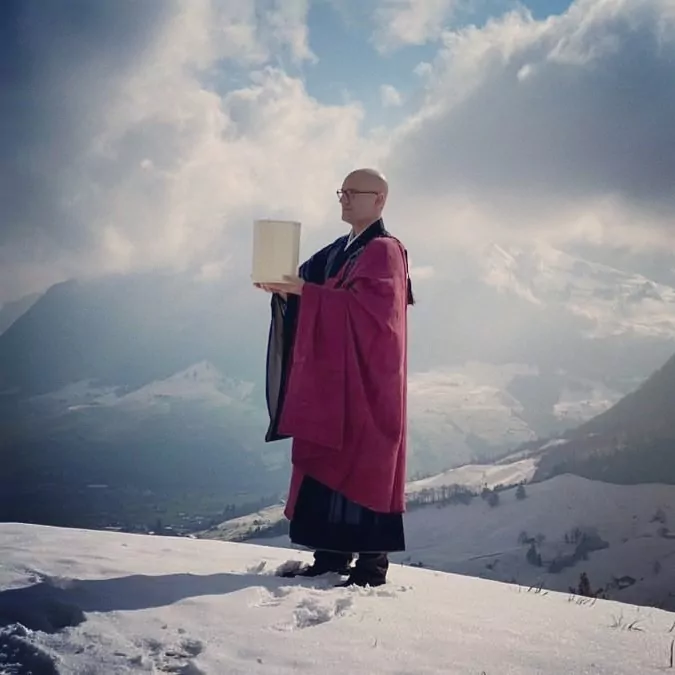
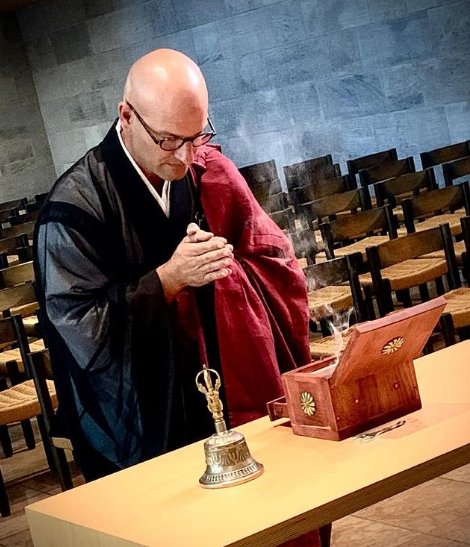
Memorial Ceremonies: Rituals That Transcend Time
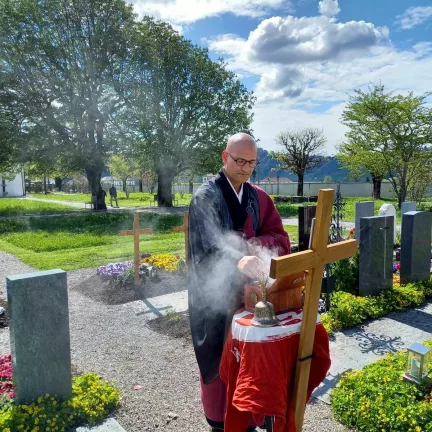
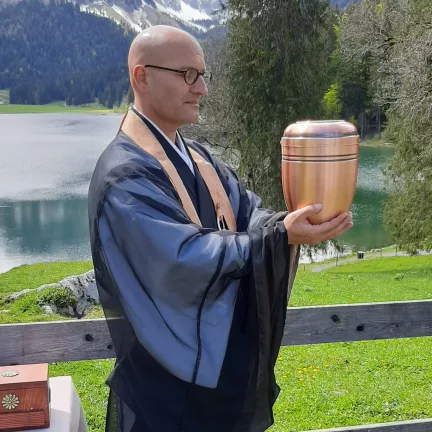
After the funeral or an alternative burial, such as scattering ashes by the lake or in the forest, memorial ceremonies continue the mourning process. These customs after death are like gentle waves that diminish over the years, yet the spiritual depth remains. They honor the deceased with dignity and create bridges between heaven and earth. The intervals of these rituals grow longer, but each celebration is an act of reverent mindfulness.
- Death Rest and Vigil: Immediately after death, these rituals invite quiet watching, a mystical moment of transition where we accompany the soul.
- Funeral: The central act of farewell, which can be shaped in various forms – traditionally at the cemetery or alternatively in nature.
- 30th Day: A first reflection that deepens the mourning process and offers comfort in shared prayers or meditations.
- 49th Day: Inspired by Buddhist traditions, it symbolizes the completion of a cycle, connected with Christian hope of resurrection.
- 100th Day: A milestone that emphasizes enduring connection and provides space for personal rituals.
- Annual Memorial (1 Year): An annual celebration that honors the deceased's life in gratitude.
- Further Intervals (3, 5, 7, 10, 15, 25, 50 Years and Beyond): Over time, these ceremonies become rare but all the more meaningful moments of remembrance.
Other Ceremonies: Annual Festivals of Remembrance and Spiritual Depth
In addition to personal memorial ceremonies, ecclesiastical and cultural customs offer further opportunities to nurture the mourning process. These rituals connect us with the community and the mystical dimension of life.
- November 1: Solemnity of All Saints: A day of the saints that reminds us of the spiritual connection of all souls and provides comfort in the hope of the eternal.
- November 2: All Souls' Day: Here we remember all the deceased, with prayers and grave blessings that embody Christian values such as mercy and love.
- Remembrance of the Dead and Grave Blessing: Regular rituals that turn the cemetery into a place of contemplation, where we meditatively grasp the symbolism of life and death.
Possible Sequences of a Memorial Ceremony
The sequence of a memorial ceremony can be individually designed to support the mourning process. Beginning with an inviting silence, followed by symbolic actions such as lighting a candle for the light of the soul or reading a poem that thematizes transience. Alternative funerals, for example in the forests of Switzerland or on the shore of a lake, allow rituals like scattering flower petals, symbolizing the fragility of life.
Prayer and Meditation: Words of the Soul for the Mourning Process
In the mystical silence of farewell, words find comfort. "What a beautiful hereafter is painted in your dust" – a poetic greeting to eternity that teaches us to see life and death as unity. "Farewell, farewell and nevermore" – these lines weave pain into higher wisdom, inspired by hope and clarity. "The little house under the trees by the lake" symbolizes the peace we find in remembrance. Such meditations, as part of the memorial ceremonies, help to navigate the mourning process with mindfulness.
As a freelance funeral celebrant Master Reding, I stand by your side to design funerals and memorial ceremonies that convey dignity and spiritual depth. Contact me for a personal consultation – together we create rituals that heal and connect.